Signs of a hidden pool leak: what facility managers should check first
Start with the basics: daily water level checks
A swimming pool that loses water faster than normal is often the first clue that something is wrong. For a facility manager, catching a leak early can mean the difference between a simple valve repair and a full excavation of decking. The key is to separate normal evaporation from an actual leak. Before calling in a specialist, you can run through a short checklist that will narrow down where the problem lives.
Begin each morning by noting the water level at the skimmer. If the pool has an automatic fill system, turn it off for 24 hours so you can see the true rate of loss. Mark the level with a piece of tape or a floating marker. After a day, measure again. A drop of more than a quarter of an inch in a single day, with no heavy use or rain, is worth investigating. Normal evaporation in a moderate climate rarely exceeds that amount unless the pool is heated or the air is very dry.
Check the circulation system for hidden losses
The pump, filter, and heater form a closed loop, but a leak in any of those components can send water into the equipment pad drain without a visible puddle. Look at the pump strainer lid seal: a worn O-ring can weep water only when the pump is running. Feel the pipe connections on the filter multiport valve, especially if the valve handle is hard to turn. Dampness around the heater inlet or outlet unions is another common sign.
Run the pump on its normal cycle and walk the equipment pad slowly. Dry spots are good; wet spots mean you have found a candidate leak. Mark each damp area with a piece of chalk and come back after the pump shuts off. If the wet spot grows while the system is idle, the leak is probably in a pipe under pressure. If it dries up, the leak may be on the suction side, pulling air instead of losing water.
Use the water meter to confirm a large loss
For a public pool or a large commercial facility, the water meter is one of the most reliable tools for pool water loss testing. Turn off the auto-fill and make sure no one uses the pool for a set period, ideally overnight. Read the meter at the start and end of that period. Compare the number with what evaporation alone would explain. If the meter shows a volume loss that is clearly above the evaporation rate for the pool surface area, a leak is almost certain.

Keep a log of these readings. A single high number could be a fluke, but a pattern over several nights points to a persistent problem. The meter does not lie, and it catches losses that might never show up as a wet spot on the deck because the water is seeping into the ground below the plumbing network.
Inspect the plumbing network around the pool
Leaks do not always happen at the equipment. The buried pipes that carry water from the skimmers and main drain to the pump, and from the filter back to the returns, can develop cracks from ground movement, root pressure, or age. Look for soft spots in the soil around the pool shell, especially near the skimmer faceplates and the return line fittings. A patch of ground that stays muddy even in dry weather is a strong clue.
Check the pump suction and discharge lines where they enter the ground. If the pipe is exposed above the soil, flex it gently to see if the joint has separated. On pools with a spa spillover, examine the pipe that connects the spa to the pool. That line is often buried and can develop a slow leak that is hard to find without specialized gear.
Listen for air in the system
A suction-side leak pulls air into the water before it reaches the pump. This air shows up as bubbles in the pump strainer lid or, in a clear lid, as a stream of tiny bubbles moving through the water. Air in the system reduces pump efficiency and can cause the pump to lose prime. It also accelerates wear on the impeller. If you see bubbles when the pump is running, trace the suction pipes from the pump back to the pool. The leak is somewhere on that path.
A pressure-side leak, by contrast, pushes water out. You may see a fine spray at a return fitting or a small stream running down the side of the pool. Pressure-side leaks waste water and raise operating costs because the pump works harder to maintain pressure. They also erode the surrounding grout or gunite over time.
Look at the pool shell and tile line
Cracks in the plaster, gunite, or fiberglass shell can leak water into the ground or into the deck substructure. Run your hand along the tile line, especially near the corners and steps. Loose or missing tiles may hide a crack behind them. Staining or calcium deposits on the surface below the tile line often mark a spot where water has been seeping out for weeks.
If the pool has a vinyl liner, check the seam welds and the area around the light niche. A pinhole in the liner can be hard to see but easy to feel: run a dry finger over suspicious spots. A drop of water on a dry liner is a direct sign of a puncture. For a concrete or gunite pool, a dye test can confirm a shell crack. Turn off the pump and let the water go still, then squeeze a small amount of leak-detection dye near the suspected crack. If the dye is pulled into the crack, water is leaving the pool there.
Keep an inspection record
Writing down what you find on each check helps you spot trends. A log that shows the same return fitting leaking every three months suggests a recurring problem that may need a permanent fix rather than a temporary patch. Record the date, the water meter reading, the pump run time, and any repairs you made. Over the course of a season, this record becomes a practical tool for pool water loss testing and for budgeting maintenance work.
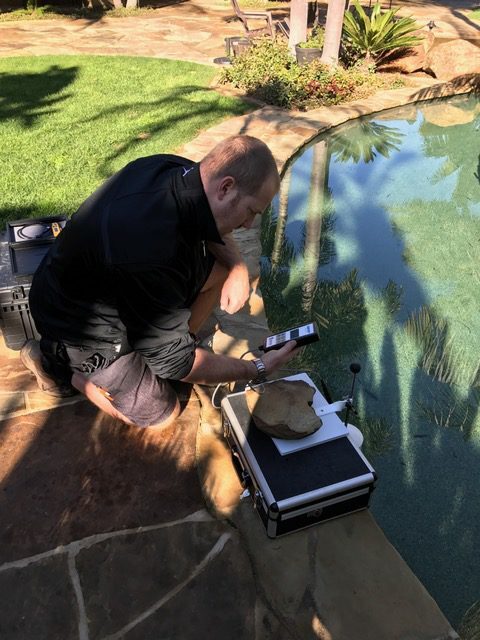
When the checklist points to a leak that you cannot locate or fix with the tools on hand, it is time to bring in a professional leak detection service. Swim Care Pool Services provides specialized leak detection for residential and commercial swimming pools, spas, and related plumbing in San Diego. Their technicians use electronic listening devices, pressure testing equipment, and tracer gas to find leaks without digging up the deck. A facility manager who has already done the basic checks can give the technician a head start by sharing the inspection record and the suspected location.

Balance the cost of inaction
A small leak that goes unnoticed for months can waste thousands of gallons of water. That water bill lands on the facility budget, and the constant addition of fresh water upsets the chemical balance, leading to more chlorine demand and more frequent shocking. Over time, the leak can undermine the soil under the deck, causing cracks in the concrete and potentially damaging the pool structure itself. Early detection, even if it only narrows the leak to a zone, saves money and prevents a small problem from becoming a major repair.
The checklist above gives you a repeatable process that any facility manager can run through in a few hours. You do not need special training, only a water meter, a marker, a flashlight, and a notebook. The goal is to separate the normal water loss from the abnormal, and to pinpoint the leak location as closely as possible before a specialist arrives. Swim Care Pool Services can then take over with the advanced equipment that finds leaks hidden in underground pipes or behind the pool shell. With a clear record in hand, the technician can work faster, and the facility gets back to normal operation sooner.
Ends · BACKYARDPOOLGUIDE